
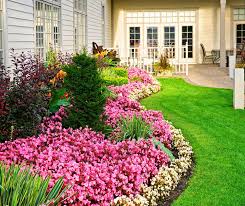
Landscape installation is an essential service for creating outdoor environments that are both visually stunning and functionally practical. Whether for residential properties, commercial spaces, or public areas, professional landscape installation enhances the beauty, usability, and value of a property. From conceptual design to the final touches, skilled landscape installation transforms ordinary outdoor spaces into inviting, harmonious environments that reflect personal style and environmental considerations.
Investing in professional landscape installation ensures precision, durability, and aesthetic coherence. Landscaping is more than arranging plants and hardscape elements; it requires knowledge of soil composition, plant growth patterns, drainage, lighting, and sustainability practices. Improper installation can result in poor plant health, erosion, or maintenance challenges. By hiring experienced professionals, property owners can achieve a functional and visually appealing outdoor space that is low-maintenance, environmentally responsible, and long-lasting.
Residential Landscape Installation
Residential landscape installation allows homeowners to customize their outdoor environments to meet lifestyle needs and design preferences. Projects can range from simple garden beds and lawn installation to complex outdoor living areas that include patios, walkways, retaining walls, water features, and seating areas. Each element must be carefully planned and executed to ensure durability, aesthetics, and harmony with the home’s architecture.
Lawn and plant installations are central to residential landscape installation. Professionals select grass types, shrubs, trees, and flowers that thrive in the local climate, soil type, and sun exposure. Proper installation includes soil preparation, irrigation planning, and mulching to encourage healthy growth and reduce maintenance. Hardscape elements, such as patios, decks, and retaining walls, are integrated seamlessly with greenery to create outdoor spaces that are functional, visually appealing, and suitable for entertaining, relaxation, and family activities.
Commercial Landscape Installation: Enhancing Business Environments
Commercial landscape installation is vital for creating professional, welcoming, and functional outdoor environments for businesses, hotels, office complexes, and public spaces. Well-designed landscapes enhance the visual appeal of a property, contribute to employee and visitor satisfaction, and can positively impact brand perception. Commercial projects often require larger-scale planning, compliance with accessibility standards, and consideration for high-traffic areas.
Professional landscape installation for commercial properties includes strategic placement of trees, shrubs, flowers, and lawns to create aesthetically pleasing and sustainable designs. Hardscape elements, such as walkways, parking lot islands, seating areas, and signage integration, enhance functionality and accessibility. Maintenance considerations are also critical; professionals ensure that plant selection, irrigation systems, and materials require minimal upkeep while maintaining visual appeal and long-term performance.
The Landscape Installation Process: Planning, Design, and Execution
Successful landscape installation begins with careful planning and site assessment. Professionals analyze soil quality, drainage patterns, sun exposure, and existing vegetation to determine the most suitable plants, materials, and layout. Accurate planning is crucial to avoid common issues such as soil erosion, water pooling, or plant failure.
Design and preparation follow site assessment. Landscape architects or designers create plans that balance aesthetics, functionality, and sustainability. This stage may involve selecting plant varieties, designing hardscape features, incorporating lighting, and planning irrigation systems. Execution involves soil preparation, grading, planting, installation of hardscapes, and finishing touches such as mulch, stones, or decorative elements. Professional landscape installation ensures precise execution, structural integrity, and harmony between natural and built elements, resulting in an outdoor space that is both beautiful and practical.
Hardscape and Softscape Integration
A successful landscape installation seamlessly integrates hardscape and softscape elements. Hardscapes, such as patios, decks, walkways, retaining walls, fences, and water features, provide structure, functionality, and visual contrast. Softscapes, including lawns, trees, shrubs, flowers, and ground covers, contribute color, texture, and life to outdoor spaces. Professionals ensure that both elements complement each other, creating a balanced and harmonious environment that meets functional requirements and aesthetic goals.
Water features, such as fountains, ponds, and waterfalls, are often included in landscape installation to enhance visual interest, provide ambient sound, and support relaxation. Proper installation requires attention to plumbing, electrical systems, and safety measures to ensure longevity and efficiency. Lighting installation further enhances landscape design, illuminating pathways, highlighting focal points, and improving safety and usability during nighttime hours.
Environmental and Sustainable Practices in Landscape Installation
Modern landscape installation emphasizes sustainability and environmental responsibility. Professionals incorporate eco-friendly practices, such as using native plants, efficient irrigation systems, rainwater harvesting, and organic soil amendments. Sustainable landscapes conserve water, reduce maintenance, and support local ecosystems.
Erosion control, proper drainage, and soil management are critical for long-term landscape health. Installing permeable pavements, creating rain gardens, and designing natural water flow systems prevent water runoff, protect property, and enhance environmental stewardship. Professional landscape installation ensures that outdoor spaces are both beautiful and environmentally responsible, providing long-term benefits for property owners and the surrounding ecosystem.
Maintenance and Longevity Considerations
Proper maintenance is essential to maximize the benefits of landscape installation. Professionals often provide guidance on seasonal care, pruning, fertilization, pest control, and irrigation adjustments. Regular maintenance ensures plant health, structural integrity of hardscape elements, and aesthetic appeal over time.
A well-installed landscape reduces the need for frequent repairs or replacements, saving time and money in the long term. Using durable materials, quality plants, and proper installation techniques ensures that the outdoor space remains functional, visually appealing, and sustainable for years. Landscape installation combines artistry and technical expertise to create outdoor environments that endure seasonal changes and daily use.
Conclusion
Landscape installation is a transformative service that enhances property value, usability, and aesthetic appeal. Whether for residential or commercial properties, professional landscape installation ensures that every element, from plant selection to hardscape design, is carefully planned and executed. By integrating hardscape and softscape features, incorporating sustainable practices, and emphasizing maintenance and longevity, landscape installation creates outdoor spaces that are both functional and visually striking.
Professional landscape installation provides property owners with the expertise, tools, and creativity needed to transform ordinary outdoor areas into harmonious, inviting environments. From initial planning and design to the final touches, every aspect of the project is executed with precision, ensuring durability, beauty, and usability. Investing in landscape installation is an investment in the long-term enjoyment, value, and sustainability of your property, delivering outdoor spaces that inspire, delight, and perform flawlessly for years to come.