
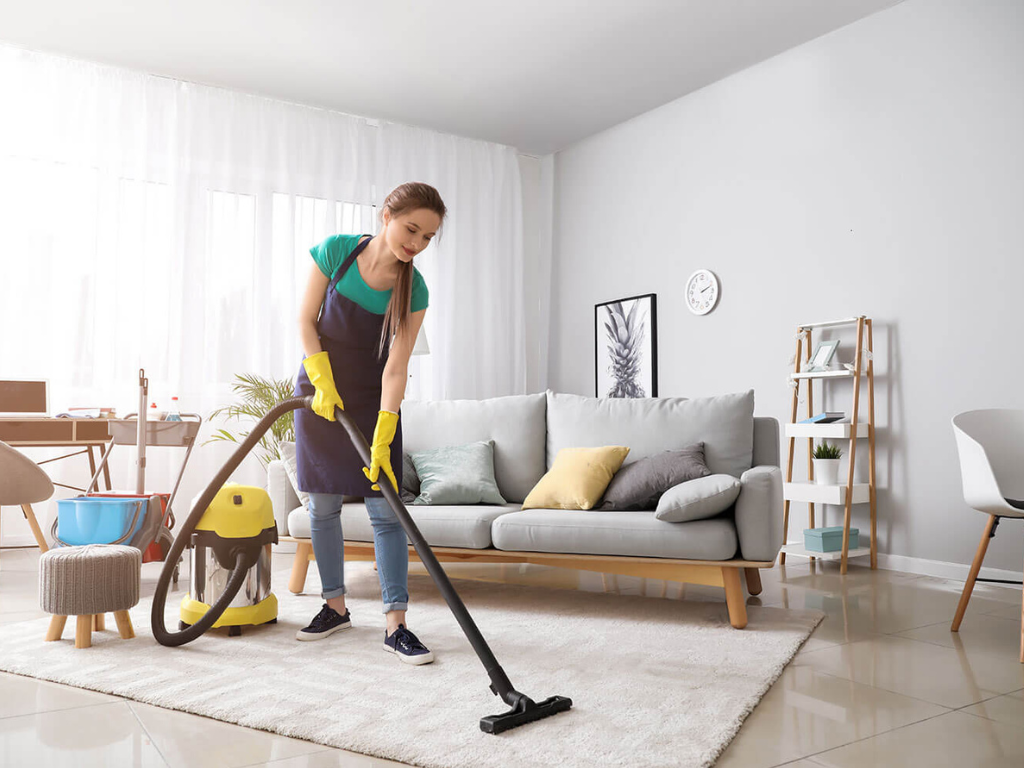
Maintaining cleanliness is a cornerstone of both comfort and health in homes, offices, and commercial spaces. A well-executed standard cleaning routine ensures that spaces are hygienic, organized, and visually appealing. While deep cleaning or specialized services focus on intensive sanitation or problem-specific tasks, standard cleaning provides essential upkeep that prevents dirt, dust, and germs from accumulating. Understanding the scope, benefits, techniques, and best practices of standard cleaning is crucial for property owners, facility managers, and anyone seeking a safe and inviting environment.
What Is Standard Cleaning?
Standard cleaning refers to routine cleaning tasks that maintain a space in a clean and orderly condition. These tasks typically include dusting, vacuuming, sweeping, mopping, wiping surfaces, and emptying trash. Unlike deep cleaning, which may address hidden dirt, stains, or hard-to-reach areas, standard cleaning focuses on daily or weekly maintenance to prevent the accumulation of dirt and maintain overall hygiene.
Standard cleaning is versatile and can be adapted for homes, offices, schools, healthcare facilities, and commercial establishments. It is the foundation of an effective cleaning program, ensuring that spaces remain functional, safe, and welcoming without requiring constant intensive labor.
The Benefits of Standard Cleaning
Regular standard cleaning offers multiple advantages, both practical and health-related:
- Health and Hygiene: Routine cleaning removes dust, allergens, and microbes from surfaces, reducing the risk of illness and promoting a healthier environment. It is particularly important in shared spaces where germs can spread quickly.
- Enhanced Appearance: Clean surfaces, organized spaces, and a polished appearance create a welcoming and professional environment. Standard cleaning helps maintain aesthetic standards without the need for constant deep cleaning.
- Prevention of Damage: Dirt, dust, and grime can degrade materials over time. Regular cleaning of floors, countertops, furniture, and fixtures prolongs their lifespan and reduces the need for costly repairs or replacements.
- Efficiency and Productivity: In workplaces, clean and organized environments contribute to better focus and productivity. Employees and occupants feel more comfortable and motivated when working in tidy spaces.
- Cost Savings: Investing in regular standard cleaning prevents larger issues that would require more expensive interventions, such as stain removal, mold remediation, or extensive floor restoration.
Key Components of Standard Cleaning
A comprehensive standard cleaning routine typically addresses multiple areas and surfaces. These may include:
- Floors: Sweeping, vacuuming, and mopping hard floors; vacuuming carpets and rugs.
- Surfaces: Dusting furniture, countertops, shelves, and decorative items.
- Bathrooms: Wiping sinks, mirrors, faucets, and counters; cleaning toilets; restocking soap and paper products.
- Kitchens: Wiping countertops, appliances, sinks, and tables; disposing of trash and recyclables.
- High-Touch Areas: Sanitizing door handles, light switches, elevator buttons, and other frequently touched surfaces.
- Trash Removal: Emptying trash bins and replacing liners.
- Organization: Tidying clutter, arranging materials, and maintaining a visually appealing space.
The exact components may vary based on the type of property, number of occupants, and level of use, but the overarching goal is to maintain cleanliness and hygiene on a consistent basis.
Standard Cleaning Techniques
Effective standard cleaning requires proper techniques and methods to ensure efficiency and thoroughness:
- Dusting: Use microfiber cloths or dusters to trap particles without spreading them into the air. Pay attention to shelves, baseboards, vents, and electronics.
- Vacuuming: Move furniture when possible to reach hidden dust, and use appropriate attachments for corners, edges, and upholstery.
- Mopping: Use clean water and suitable cleaning solutions to remove dirt from hard floors. Regularly rinse and replace mop water to prevent spreading dirt.
- Surface Cleaning: Apply mild cleaning solutions or disinfectants to wipe down countertops, tables, and high-touch areas. Avoid over-wetting surfaces that could be damaged.
- Trash Disposal: Empty trash bins regularly to prevent odors and contamination. Use gloves and follow waste management guidelines.
Proper techniques ensure that cleaning is effective, safe, and consistent, reducing the risk of missed areas or accumulated dirt over time.
Frequency of Standard Cleaning
The frequency of standard cleaning depends on the type of space, number of occupants, and level of activity. In homes, standard cleaning is often performed daily or weekly, depending on needs. Kitchens, bathrooms, and high-traffic areas may require daily attention, while living rooms and bedrooms may only need weekly cleaning.
In commercial settings, high-traffic areas such as lobbies, conference rooms, restrooms, and kitchens may need daily standard cleaning, while offices and storage areas may be cleaned several times per week. Establishing a consistent schedule ensures that cleanliness is maintained and prevents the need for intensive remediation later.
Tools and Supplies for Standard Cleaning
Having the right tools and cleaning supplies makes standard cleaning more effective and efficient. Essential items include:
- Microfiber cloths and dusters
- Vacuum cleaners and attachments
- Mops and buckets
- Cleaning solutions, disinfectants, and sprays
- Trash bags and liners
- Gloves and personal protective equipment (PPE)
High-quality tools reduce effort and improve results, while proper cleaning agents ensure hygiene and surface protection. Additionally, keeping supplies organized and accessible makes routine cleaning quicker and more efficient.
Common Challenges in Standard Cleaning
Despite its routine nature, standard cleaning can present challenges:
- High-Traffic Areas: Areas that see frequent use accumulate dirt faster and may require more attention.
- Allergens: Dust and allergens can settle in hard-to-reach places, requiring thorough dusting and vacuuming.
- Stubborn Stains: Minor spills and stains may persist if not addressed promptly.
- Consistency: Maintaining a regular cleaning schedule can be challenging, especially in busy households or commercial environments.
Addressing these challenges involves proper planning, training for staff, and sometimes using specialized equipment to maintain consistent results.
Integrating Standard Cleaning with Deep Cleaning
While standard cleaning maintains everyday hygiene, periodic deep cleaning complements it by addressing areas that are not covered regularly. Deep cleaning may involve carpet shampooing, upholstery cleaning, window washing, appliance cleaning, and detailed bathroom sanitation. A combined approach ensures both routine upkeep and thorough cleanliness over time.
Integrating standard and deep cleaning helps reduce the likelihood of infestations, allergens, and structural wear, creating an environment that is both safe and visually appealing.
Benefits for Homes, Offices, and Commercial Spaces
- Homes: Standard cleaning keeps living areas sanitary, reduces allergens, and enhances comfort. Consistent routines prevent the buildup of grime and odors, improving overall quality of life.
- Offices: Clean workspaces support employee productivity, reduce absenteeism due to illness, and create a professional environment for clients and visitors.
- Commercial Spaces: Retail stores, gyms, schools, and healthcare facilities benefit from standard cleaning by ensuring hygiene, compliance with health regulations, and a positive impression on patrons.
Cost-Effectiveness of Standard Cleaning
Standard cleaning is an investment in long-term maintenance. Regular upkeep reduces the need for costly repairs, deep cleaning, or replacement of damaged materials. Preventive maintenance, such as wiping spills promptly or regularly vacuuming carpets, helps maintain property value and appearance. Over time, consistent standard cleaning proves to be both economical and efficient.
Conclusion
Standard cleaning is the foundation of a healthy, organized, and visually appealing environment. From homes and offices to commercial spaces, consistent upkeep prevents dirt, dust, and germs from accumulating, protects materials, enhances safety, and maintains a welcoming appearance. With proper techniques, scheduling, and tools, standard cleaning ensures spaces remain hygienic and comfortable without the need for constant intensive labor. By prioritizing routine cleaning, property owners, managers, and occupants can enjoy safe, pleasant, and well-maintained spaces every day.