
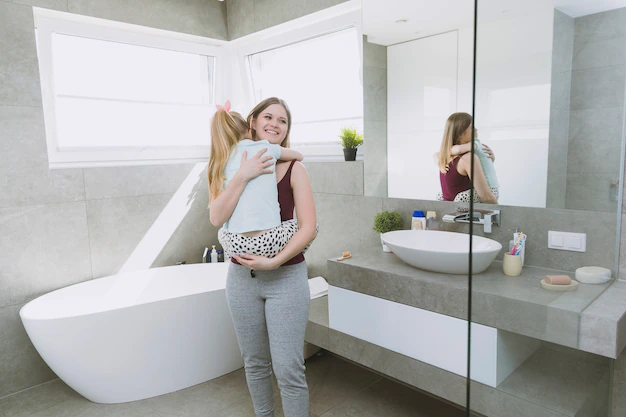
A bathroom remodel is one of the most effective ways to enhance both the aesthetic appeal and functionality of your home. The bathroom is more than just a utilitarian space; it is a sanctuary where relaxation and rejuvenation occur. Whether you are considering minor updates or a complete renovation, understanding the intricacies of a bathroom remodel can help ensure that your investment yields long-lasting satisfaction and increased property value. This comprehensive guide explores essential elements, design considerations, budgeting tips, and practical advice for executing a successful bathroom remodel.
Understanding the Scope of a Bathroom Remodel
A bathroom remodel can vary significantly depending on the goals and budget of the homeowner. Some may focus on small cosmetic changes, such as updating fixtures or repainting, while others may pursue a full-scale renovation involving plumbing, electrical work, and structural modifications. Understanding the scope is critical because it dictates the planning, timeline, and resources required.
When planning a bathroom remodel, one must consider the current layout, the condition of plumbing and electrical systems, and potential structural limitations. For example, altering the position of a bathtub or shower may require extensive plumbing adjustments, which can increase costs and project duration. On the other hand, cosmetic improvements like replacing tiles, vanities, or lighting fixtures can significantly enhance the room’s appearance with minimal disruption.
Planning and Design Considerations
Design is a crucial component of any bathroom remodel. A well-designed bathroom balances aesthetics, comfort, and functionality. Start by identifying the purpose of your remodel. Are you aiming for a spa-like retreat, a family-friendly bathroom, or a modern minimalist space? Once the objective is clear, it is easier to choose appropriate materials, colors, and fixtures.
One of the most important aspects of design is layout. The placement of sinks, toilets, bathtubs, and showers should optimize both movement and usability. Space management is particularly vital in smaller bathrooms, where efficient use of every square foot can make the room feel larger and more comfortable. Incorporating storage solutions like cabinets, floating shelves, and recessed niches ensures that the bathroom remains organized without compromising style.
Lighting also plays a significant role in a bathroom remodel. Layered lighting, combining ambient, task, and accent lighting, creates a functional and visually appealing environment. Proper lighting near mirrors enhances daily routines like shaving or makeup application, while softer lighting near the bathtub or shower can contribute to a calming atmosphere.
Material Selection and Durability
Selecting the right materials is essential for both the longevity and style of a bathroom remodel. Bathrooms are exposed to high humidity and frequent water contact, so materials must withstand these conditions without deterioration. Tiles, natural stone, waterproof vinyl, and treated wood are popular choices for floors and walls. Countertops should be durable and resistant to staining, with options including quartz, granite, and solid surface materials.
Fixtures and fittings also contribute to the durability and efficiency of a remodel. Choosing high-quality faucets, showerheads, and toilets not only enhances the room’s aesthetic but also ensures reliable performance over time. Modern fixtures often incorporate water-saving technologies, making them environmentally friendly while reducing utility costs.
Budgeting for a Bathroom Remodel
Budgeting is a critical component of any bathroom remodel. The cost can vary widely depending on the scope, materials, labor, and design choices. Homeowners should create a detailed budget that accounts for all potential expenses, including permits, demolition, plumbing, electrical work, fixtures, tiles, and labor fees. A well-planned budget helps avoid unexpected costs that can arise during renovation.
It is also advisable to allocate a contingency fund of 10–15% for unforeseen issues. During a bathroom remodel, problems such as hidden water damage, mold, or outdated wiring may surface, requiring additional repairs. Proper planning and financial preparation ensure that these surprises do not derail the entire project.
Hiring Professionals vs. DIY Approach
Whether to hire professionals or undertake a DIY approach depends on skill level, experience, and the complexity of the bathroom remodel. Skilled contractors can efficiently handle plumbing, electrical, and structural work, ensuring compliance with local building codes and safety standards. Professional designers can also offer valuable insights into layout, materials, and trends.
For homeowners with experience in renovation, a partial DIY approach can reduce costs. Tasks such as painting, installing new fixtures, or laying tiles may be manageable with careful planning. However, critical work involving plumbing and electrical systems should generally be left to licensed professionals to avoid costly mistakes or safety hazards.
Trends in Bathroom Remodels
Modern bathroom remodels often incorporate a blend of technology, sustainability, and luxury. Smart features such as motion-sensor faucets, digital showers, heated floors, and automated lighting are becoming increasingly popular. These elements improve convenience while adding a high-end feel to the space.
Sustainable design choices are also trending, with water-saving fixtures, energy-efficient lighting, and eco-friendly materials gaining attention. Incorporating sustainable practices not only benefits the environment but can also increase the long-term value of the home.
Practical Tips for a Smooth Remodel
Executing a bathroom remodel successfully requires careful coordination and attention to detail. Start by setting clear goals and priorities for the project. Keep communication open with contractors and designers, and ensure that everyone is aligned on timelines, materials, and expectations. Regular site inspections help catch potential issues early, reducing delays and additional costs.
Maintaining flexibility is also important. While planning is essential, unexpected challenges may arise that require adjustments to the design or schedule. Being adaptable while staying true to the overall vision ensures that the final result meets both aesthetic and functional goals.
Maximizing Value from a Bathroom Remodel
A well-executed bathroom remodel can significantly enhance a home’s market value. Buyers often view updated bathrooms as a sign of overall property quality and maintenance. Focusing on high-impact improvements, such as modern fixtures, durable flooring, and optimized layouts, ensures that the remodel provides both immediate satisfaction and long-term investment value.
Additionally, integrating timeless design elements rather than overly trendy choices helps maintain the appeal of the remodel for years to come. Classic color schemes, functional layouts, and quality materials contribute to a bathroom that remains stylish and practical over time.
Conclusion
A bathroom remodel is an investment in both comfort and property value. By carefully considering design, materials, budget, and professional guidance, homeowners can transform an ordinary bathroom into a functional and aesthetically pleasing sanctuary. Proper planning, attention to detail, and thoughtful execution ensure that the remodel delivers satisfaction for years to come. Whether the goal is a luxurious spa-like retreat, a practical family bathroom, or a modern minimalist space, a bathroom remodel offers an opportunity to create a space that reflects personal style while enhancing the overall home environment.
By approaching the project with clear goals, realistic budgeting, and a focus on quality materials and design, a bathroom remodel can become one of the most rewarding home improvement endeavors. From layout planning to finishing touches, every step of the process contributes to a space that is both beautiful and functional, providing a lasting impact for homeowners and visitors alike.